

Subscribe to continue reading
Subscribe to get access to the rest of this post and other subscriber-only content.

Name of the blog
Subscribe to get access to the rest of this post and other subscriber-only content.

With World Cup matches taking place in the United States this year, Kent and I discovered that the one match we both remembered happened long before we’d met: France versus Brazil, in 1998. Here are our stories.
In July 1998, Pam and I were recovering on the island of Tobago in the Caribbean after months of hard work on Coot in Trinidad. We spent some relaxing weeks in Man O’ War Bay, where we were anchored next to a Danish boat named St. Ludmila. We enjoyed playing chess with the Russian Ludmila and her Danish husband in our cockpit. When Ludmila and I played together, she was Boris Spassky, and I was Bobby Fischer, the two most famous Russian and American chess champions of the 1990s. Unfortunately, this time Fischer didn’t do as well as Spassky.
The Danish husband was an avid football fan and had been the manager of a professional Danish team. The Danes had reached the World Cup quarter-finals that year. Therefore, although Denmark had not reached the semi-finals, our Danish friend insisted that we find a place to watch the World Cup Final match between France and Brazil.
So we accompanied our friends to the little village of Charlotteville, where the school had opened the gym and set up a large screen so everyone could watch the match. The crowd included boaters, who were mostly European, and local Tobagans. The Europeans mostly cheered for France, while the locals favored Brazil. The friendly rivalry between the two groups created a lively, entertaining atmosphere.
By listening to my Danish friend’s comments, I was able to appreciate details of the play as the game progressed. Unfortunately for our hosts, the Brazilians lost 3-0, but the loss did not dampen the goodwill with which we were welcomed to the village.
Because soccer (as it is known in the United States) had not yet reached the popularity among Americans that it has now, I had never watched soccer matches on television or paid much attention to the World Cup. The experience in Tobago changed my appreciation for the game, and I came to see why it is called “the beautiful game.” When I served in the Peace Corps in my little mountain village in Colombia, I made a few attempts at playing the sport, but my game, unfortunately, was not beautiful at all.

My husband Ed and I were not sports fans, so on Sunday, July 12, 1998, when we drove back to our little rental house tucked away in the hills near Mons La Trivalle in southern France, we were only dimly aware that the World Cup Final match would be played just outside of Paris that evening, and that France and Brazil were the final contenders.
We’d spent the day exploring the Camargue, hoping to see the white horses and enjoying the renowned bird life. After enjoying a leisurely lunch near the waterfront in Aigues-Mortes we began the long drive back in the late afternoon. The roads had been busy all day with Sunday traffic, but oddly, as we circled the outskirts of Montpellier, there were almost no cars on the road. What was going on?
As we left the main highway for smaller roads, traffic remained sparse. Had an earthquake been predicted? Had war been declared? Where was everyone? We drove through a village where the entire population seemed to be gathered at the bar in the town center. As we drove slowly past, a crowd flanked the road, shouting and waving flags. We waved back, wondering why we’d gotten such a raucous greeting. What was going on? As we encountered similar crowds in village after village, it dawned on us that they weren’t awaiting some celebrities to pass; they were gathering at their local pub to watch the World Cup Final, and madly hoping France would win. When we reached Mons La Trivalle, the closest village to home, we could see through the windows that a crowd filled the bar, and all eyes were glued to the television screen.
“Let’s stop!” We went inside, ordered a couple of beers, and joined the crowd. I wanted to stay until the game was over, loving being part of the crowd, but Ed was tired and less engaged than I, so we left, and I stayed up listening to the French radio. My understanding of the play-by-play account was limited, although the excitement was unmistakable. France defeated Brazil 3-0, and the French were ecstatic. Had I gone back to the village there would probably have been revelry with horns blowing, liquor flowing, and possibly even fireworks, although Mons La Trivalle was very small.

Now, twenty-eight years later, I’m still sorry I didn’t go back to the village to share the excitement, especially when I see the enthusiasm of the fans on our television screen as Kent and I watch some of the matches, now being played in the United States, from the comfort of our easy chairs. We will be watching as Spain and Argentina face off on Sunday, July 19, 2026. Correction: earlier version said France and Argentina — no, it is Spain and Argentina.


See you in August! And also check out Caminobleu.com if you want to learn about the picture on the wall behind us.
May brings an urge to travel – the days are longer, the birds are returning, and school is ending. Everything’s coming to life after the routines of winter. Perhaps you are dreaming of filling up the gas tank and hitting the road or hopping on a plane.

Oops! Fuel prices have skyrocketed, and reality sinks in. If you had a sailboat, the wind would blow you where you wanted to go for free! Sound familiar? No sailboat? You could travel on foot or by bicycle.
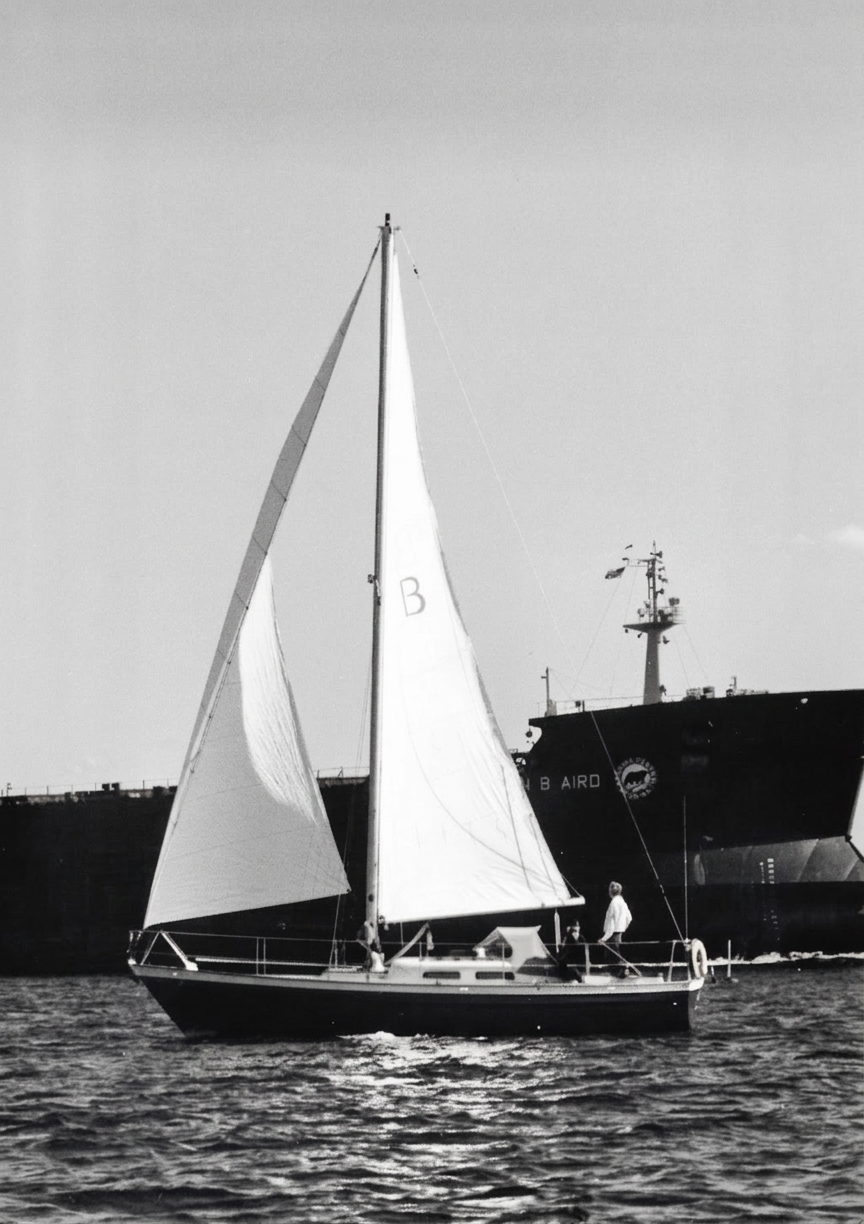
In 1984, Kent, Pam, and Andy crossed the Atlantic in their thirty-eight-foot sailboat using less than ten gallons of diesel fuel to charge their batteries. In the 1990s they paid five cents per gallon for diesel fuel in Venezuela. In long-ago times, sailors had no electricity at all, and Pam and Kent met at least one sailing couple (on Emerald) who relied on wind alone.
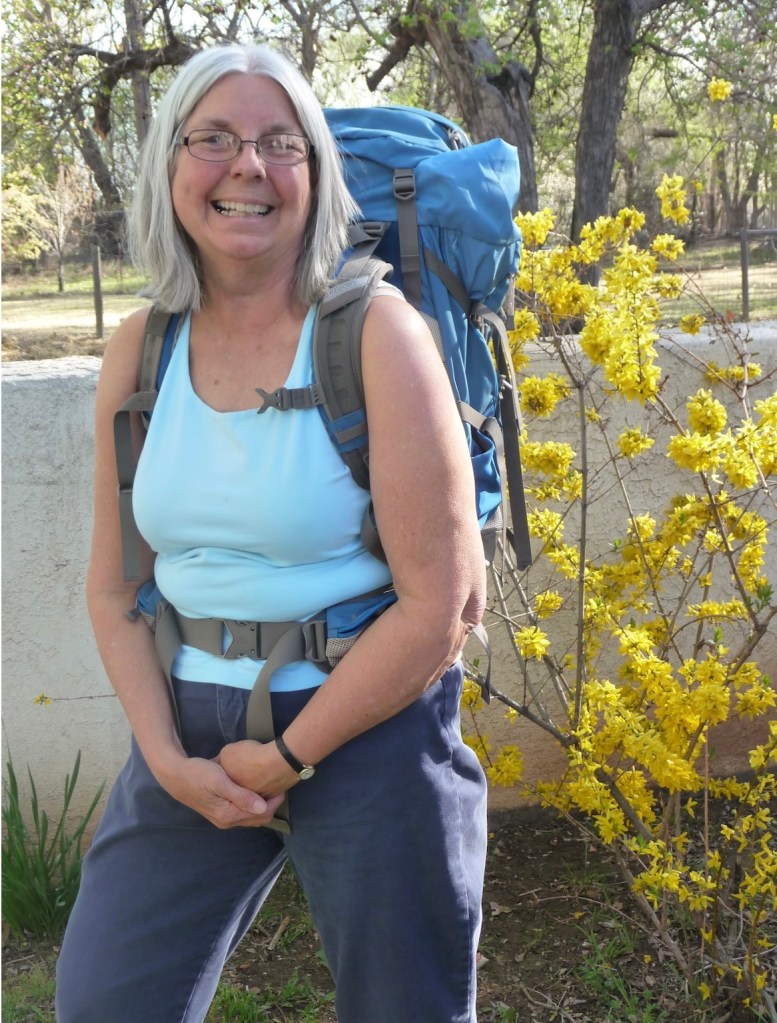
In 2010, during my first pilgrimage through Spain, I smiled as I passed petrol stations. No need to stop! My boots were my tires, and my legs and lungs the engine, fueled by tortilla de patatas, café con leche, and zumo de Naranja (Spanish tortillas, coffee, and orange juice).
(Might be Nice to Stay Home and Read!)
If you’re not ready to set sail or take off on foot on the Continental Divide, Appalachian, or Pacific Crest trail, or one of many lesser-known trails or bicycle paths (for the price of shoes, a backpack, and perhaps a bus ticket), but would rather be an armchair traveler, you might enjoy reading We Ran Away to Sea: A Memoir and Letters (if you haven’t already read it), or one of several sailing books I’ve recently enjoyed including A Marriage at Sea: A True Story of Love, Obsession, and Shipwreck (2025) by Sophie Elmhirst, and Child of the Sea: A Memoir of a Sailing Childhood (2012) by Doina Cornell.
Our friend Jim Sollars has also recently added to his series of sailing adventure/detective tales, and Tom Cunliffe, whose gift for storytelling is evident in his portrayal in We Ran Away to Sea, has recently published a historical adventure story of his own, Hurricane Force (2025). I’ve just started reading it, and the opening chapters drop you right into a heart-stopping situation.
For something different, take a look at Seagoing Gaucho, the wild story of a group of Argentinians who sail to Africa, Europe, and navigate the Mediterranean Sea in the years immediately following World War II. On the way home they follow the path of Columbus from Spain to San Salvador, then beyond to North America before returning home. I found the book on Internet Archives. To read it, you need to set up an account, but that is easy to do.
Camino books I’ve recently enjoyed include Jacqueline Saxon’s Tales from the Trail: Keeping It Real on the Camino de Santiago: One African American Woman’s Quest for Clarity (2025), and Andrew McCarthy’s Walking with Sam: A Father, a Son, and Five Hundred Miles Across Spain (2023)
As for our writing, I am still working on Home Sea Home, or Andy and the Sextant, a picture book currently with an editor, and on my memoir Once a Pilgrim that may not see the light of day for a long time yet, while Kent is still poking along, prodded by me, editing some of the stories he left out of the original book and writing new stories about his life since then…hint: he meets me!.
Keep reading, and please consider writing a review (no matter how short) of We Ran Away to Sea. Write back! We need encouragement, and we look forward to hearing from you. Add a comment or email us at jacana@jacanapress.com by copying this email or clicking below.
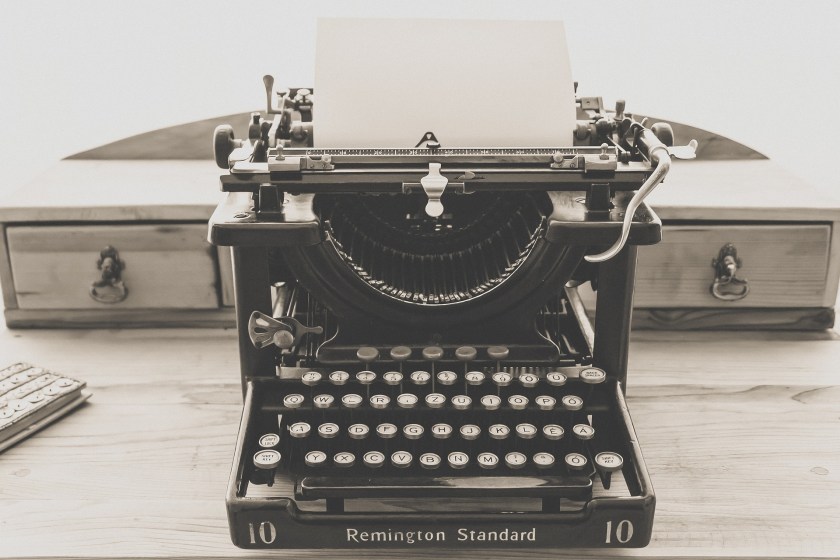
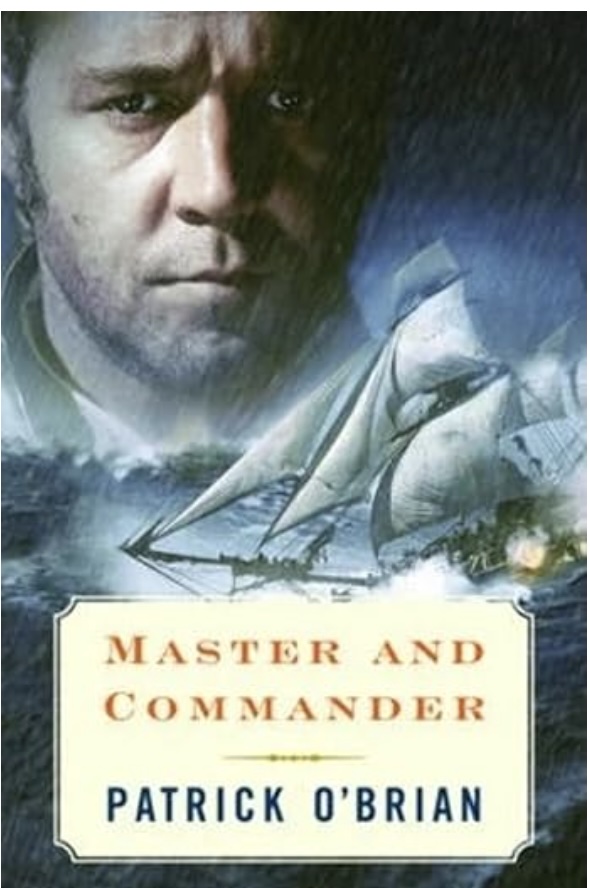
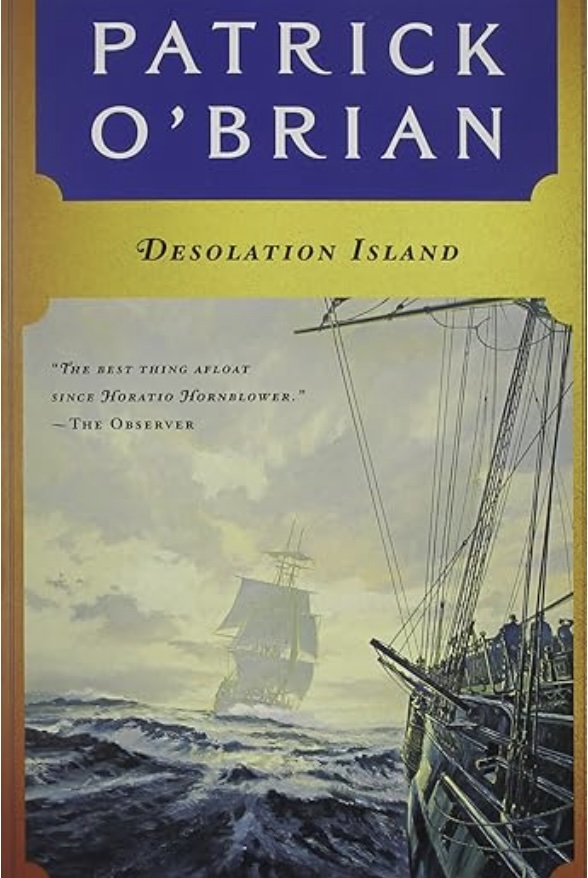
A few days ago, I stuck my nose in our Little Library and discovered a collection of 10 Patrick O’Brian Aubrey/Maturin novels. I hadn’t read any of these books since leaving Coot twenty-five years ago. The three or four books I read in the 1980s and 90s were acquired haphazardly in trades with other boaters and read without order or coherence. I set the stack of books beside my chair, took a look at the top one, started reading, and finished it the next morning. I arranged the books in order, starting with Master and Commander, and I am now on the fifth one.
I delight in the sailing descriptions. O’Brian manages to bring the life and times of the British Navy in the 18th century to life better than any other author I know. I just finished reading his account of a stormy crossing of Biscay Bay in Desolation Island, and it rang true to my own 1984 experience of that body of water. Despite the difference between a 74-gun ship of the line and a 38-foot ketch, extensive repairs were required in both cases.
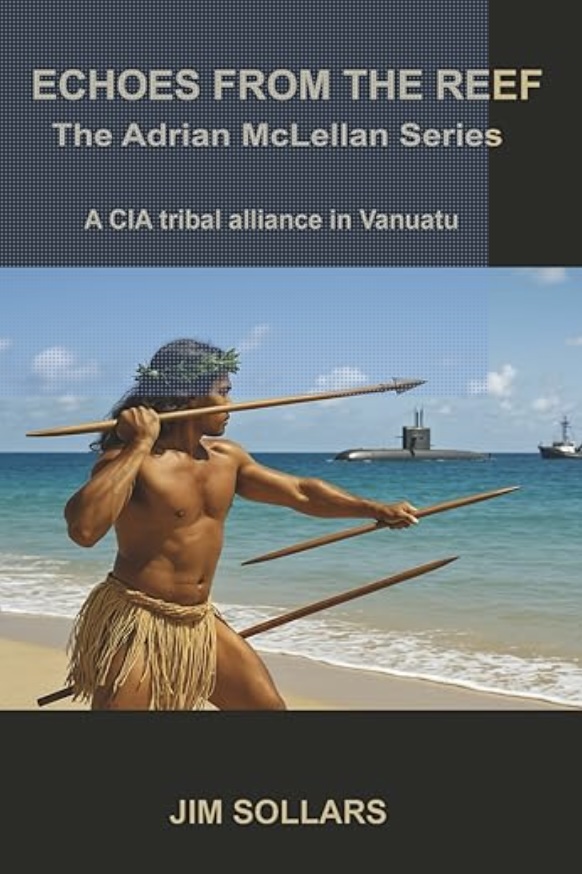
Like Kent, Jim is from Sheridan, Wyoming, and became a sailor and a writer. Unlike Kent, Jim is prolific, with books published on Amazon in both October and November this year. Here is his latest thriller:
We are following the adventures of Ned and Kate Phillips on Instagram, the same Ned and Kate Pam and Kent met more than thirty years ago in the Chesapeake (October 1994). (See Chapter 11, Going South, pp. 109-11.) They are now sailing from England to the Cape Verde Islands and beyond. Coincidently, if all goes to plan, Kent and Linnea will arrive via the ninety-eight-passenger Corinthian at Santiago Island in the Cape Verde Islands on Christmas morning (one month from today), but we will almost certainly miss Ned and Kate.

“Hang on to your hat. Hang on to your hope. And wind the clock, for tomorrow is another day.”
—E.B. White, author
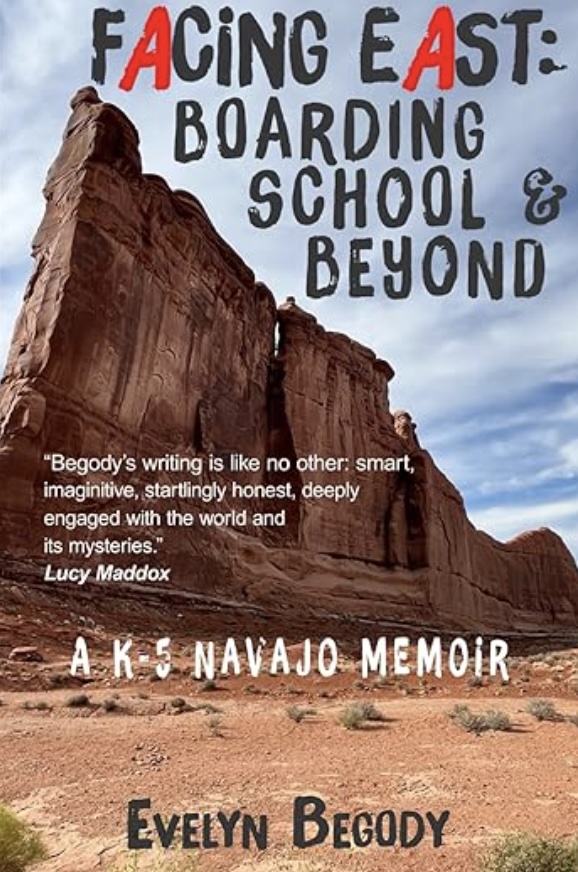
See also, Linnea’s Blog https://www.caminobleu.com (coming soon) for more on the writing inspired by Evelyn Begody’s new memoir: Facing East: Boarding School & Beyond. Her account of her early education may also inspire you to reflect on yours.
Former philosophy professor George Kent Kedl gave up his 20-year teaching career for life on a sailboat with his wife and children. His award-winning release We Ran Away to Sea: A Memoir and Letters (2023) was written with a combination of his late wife Pamela Thompson Kedl’s letters and his own memories of their adventures. Look for Kent on his website JacanaPress.com, on Facebook and on Tiktok. We Ran Away to Sea is available at Amazon, Barnes & Noble, and Bookshop.

At its heart, what is your memoir about?
It is the story of my mid-life crisis, roughly spanning from 1984 to 2000, when I was obsessed with creating a life of cruising the world on a sailboat.
Read the full story :
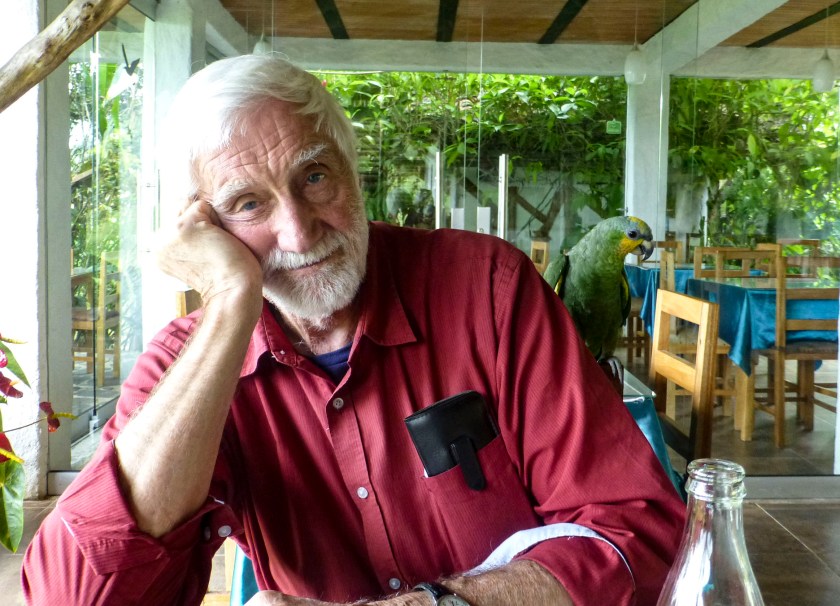
Kent with a parrot in San Augustin, Colombia in 2019.
When Kent and I volunteered as hospitaleros at the pilgrim albergue in El Burgo Ranero on the Meseta in Spain in October 2016, we had a morning playlist that got the pilgrims up and out so we could clean before the next pilgrims arrived. The final song was “Hit the Road, Jack,” and “don’t come back, no more more, no more no more, no more!”
After the last pilgrim boogied out the door, we listened to this and other songs on the playlist while we cleaned the bathrooms, wiped tomato sauce off the kitchen tiles, and swept and mopped the floors. You can listen, too:
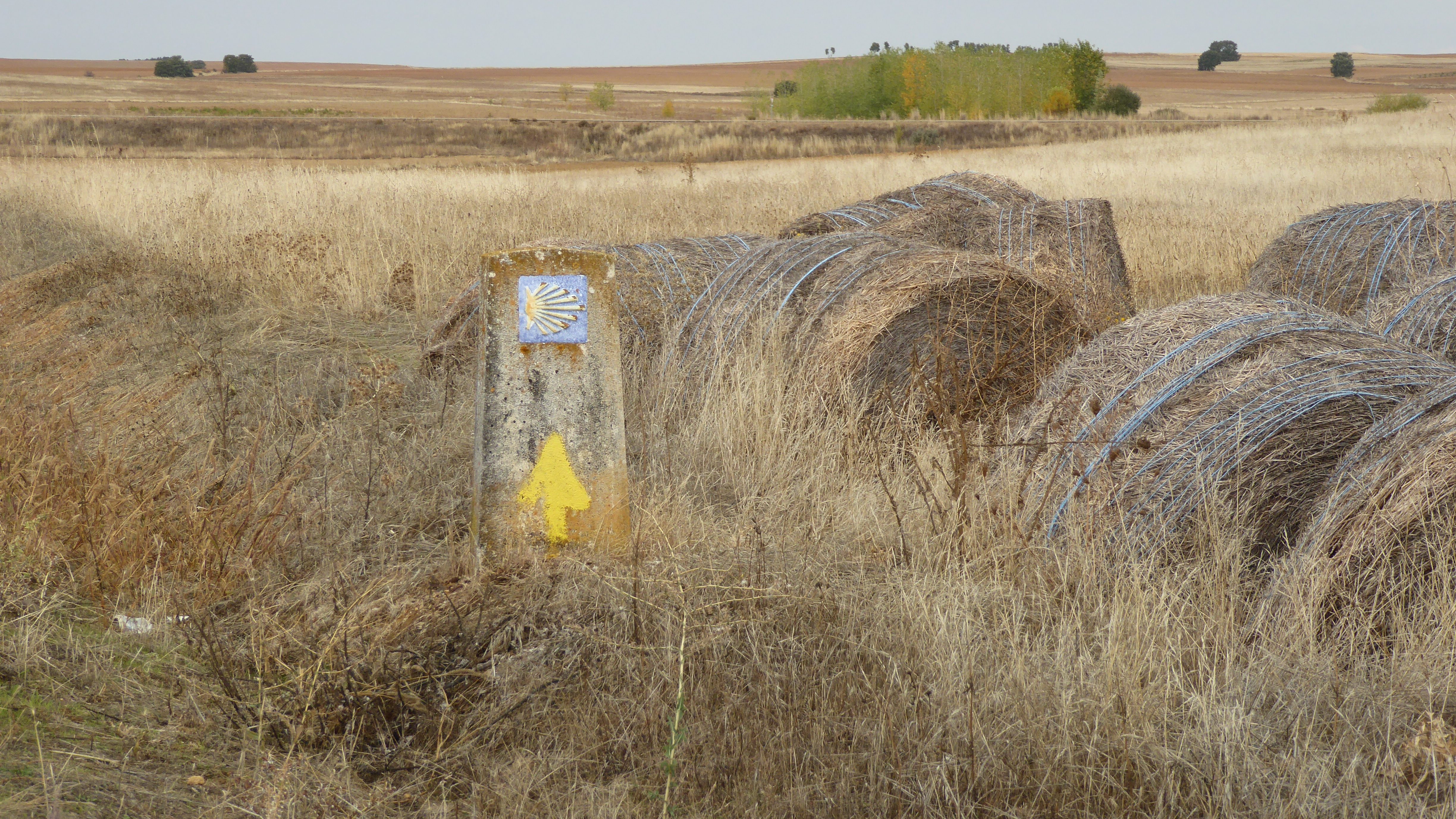
Camino Markers on the Meseta near El Burgo Ranero
We’ll be hitting the road, too in the next couple of weeks. First, we have three nights enjoying the opera in Santa Fe, catching up with old friends and some favorite operas, La Bohème, Rigoletto,and Die Walküre (click to listen)

Beginning on Monday, August 25, we’ll be on the road for almost two weeks, with stops in Denver and Fort Collins, CO; an overnight in Lander, WY; then on to Big Sky, MT; Sheridan, WY; and Frisco, CO. We’ll be catching up with friends and family in most of those places, too.
If any of you are along the way and would like to see us, just holler or reply to this email.
We’ll have a copies of We Ran Away to Sea with us.
Earlier this week, I researched Amazon’s categories and keywords, making a few adjustments. To my amazement, in the past week, our sales have increased from just under one per day to two per day, and moved into the top 10 (varies from day today) in the Sailing Narratives category. Since then, I’ve also adjusted the keywords. We’ll see if that makes a difference, too. There’s a lot to learn.

Desperate Voyage
Kent has been writing book reviews (under name Kent on Amazon). He recently returned to the classic Desperate Voyage (1949) by John Caldwell, who sailed across the Pacific from Panama to Australia singlehanded after World War II to unite with his bride. He was perhaps even more ignorant of sailing than Kent was, and the book is a sometimes hilarious, always compelling read.
Cape Horn: One Man’s Dream, One Woman’s Nightmare
Kent also finished Cape Horn, by Reanne Hemingway-Douglass. Its subtitle: One Man’s Dream: One Woman’s Nightmare intrigued me. Kent’s review is under the name Kent on Amazon. I thought that would have been a great subtitle for We Ran Away to Sea. Or, maybe we should have subtitled it A Love Story?
We found these titles on the Money for Mangos sailing blog which has a nice short list of great sailing adventure books. I suggested they add We Ran Away to Sea to a future list. See Money for Mangos list below, and enjoy reading!
Money for Mangos: Best Sailing Adventure Books
One review of the audio book (available through Amazon Audible). We don’t know who CHS is, but thank you! 5.0 out of 5 stars, Great adventure. Impressed with AI narrator.
As soon as the audiobook was available, I purchased it. Enjoyed going on this adventure with the authors. I learned sailing can be a lot of work. I was very impressed with AI narrator. — CHS
We’ve got more news … maybe some new books …but this is already long, so check back in September.

In 1984, fed up with teaching philosophy to disinterested students, unhappy with American consumerism and politics, and dismayed at the values his children were picking up at school and from their friends, Kent and his wife Pam abandoned their comfortable life in a South Dakota college town for life on a sailboat with their two children. Life would never be the same again, as this father seeking a better life for his family made a bold decision that would change the lives of all of them forever. Happy Father’s Day, Kent!
Read all about in We Ran Away to Sea: A Memoir and Letters, available through your local bookstore (try Bookshop.org), Amazon and Barnes and Noble. Now also available as an audiobook.
May 28, 2025

We haven’t been doing much with Jacana Press and We Ran Away to Sea in the weeks since the audiobook was published. This is because we’ve been walking with backpacks on the pilgrim route Le Chemin de Vézelay, one of the four original pilgrimage routes through France to St. Jacques de Compostelle (also known as Santiago de Compostela) in Spain.
We walked for about 3 weeks, the amount of time we allotted. We carried a few bookmarks and one copy of the book, thinking we’d take advantage of photo ops, but, in truth, we forgot, except for one lovely morning along a waterway. You can follow our adventures on the blog posts that begin here on Caminobleu.com.
Meanwhile, book sales have picked up. I’m not sure if it’s the revised book description or if more people are looking to run away.
Below: Kent after reading a passage from We Ran Away to Sea near the conjunction of the Allier and the Loire, in Burgundy, France. I’m not able to upload the video, but you can view it on TikTok.

April 7, 2025

April 7, 2025
Amazon notified us last week that We Ran Away to Sea was eligible to participate in the beta digital voice program to create an audiobook. We’d wanted to do an audiobook forever, preferably in two voices, to mirror Pam and Kent’s parts of the book.
We picked out male and female American accented voices we liked, followed the directions, and voilá, like magic, with a pause of only fifteen seconds, the chosen voice read the Prologue with scarcely a hitch, not sounding at all like a computer-generated voice. I’m thinking of Hal from Space Odyssey 2001, which is from the last century. You can tell how old we are!
Kent spent most of the weekend, when we weren’t at the Hands Off Rally at Albuquerque’s Civic Plaza, “reading” or perhaps “listening” to the book, chapter by chapter, and correcting pronunciation errors. We had special difficulties with the Spanish place names such as Málaga, Mérida, and Carasí, as well as the pronunciation of wind and wind — as in “blowing wind” and “wind up”. It was rather jarring to hear the title Wind in the Willows as “wined in the willows.”
We learned that although we could change male and female voices chapter by chapter, there was no way to change the voices in mid-chapter. So, Kent decided to have the entire book read in a male voice. We had to give up my original dream of having an interplay of male and female voices, representing Kent and Pam. We were able to use the pronunciation correction tab to insert the name of the person speaking by replacing the beginning words of a paragraph and including the speaker’s name in places where the switch in speakers could be confusing. In the printed version, we had initially considered prefacing each change in voice by inserting the person’s name, e.g., Kent: Bla-bla-bla or Pam: Bla-bla-bla, but in the end, we chose to indent the sections in which Pam is writing (speaking) to differentiate the two voices.
(1) It is amazing the way the digital voice picks up inflections and pronounces most words flawlessly, even ones I would have to think about or look up before saying them aloud. We did. have difficulty correcting pronunciations of Spanish place names, which were not pronounced consistently. A blind reader commented that the digital voice readings were much better than the usual text to speech applications generally available. I am sorry our blind friend Craig did not live to listen to our book.
(2) Although we initially hoped to narrate the book ourselves, we weren’t sure our voices would be good enough and the reading and editing would have taken an estimated 40 to 50 hours. Paying someone to do this would cost several thousand dollars.
(3) We found typos and mistakes that we had not previously noticed, even though we had read aloud to each other as we were editing. Good!
(4) We found the book surprisingly pleasant to listen to. Hey, it’s a good story!
(5) We were not able to eliminate things like names of the maps, and all the back matter, such as a timeline, glossary, and bibliography. Listeners will have to fast-forward or skip through these. It would be nice to have more flexibility in eliminating sections.
(6) The audiobook is only available through Audible, not accessible through libraries or other listening systems.
(7) In writing future books I will be more aware of formatting decisions that will impact an audiobook format.
We’d love your feedback, and we hope that Amazon will make some improvements, such as allowing switching voices within chapters and making the pronunciation of Spanish placenames more consistent. If you purchase the Kindle book from Amazon for $6.99, you can add the audiobook for only $1.99 more. If you want to buy the audiobook as a stand-alone, the cost is $7.99.
Happy reading and listening!
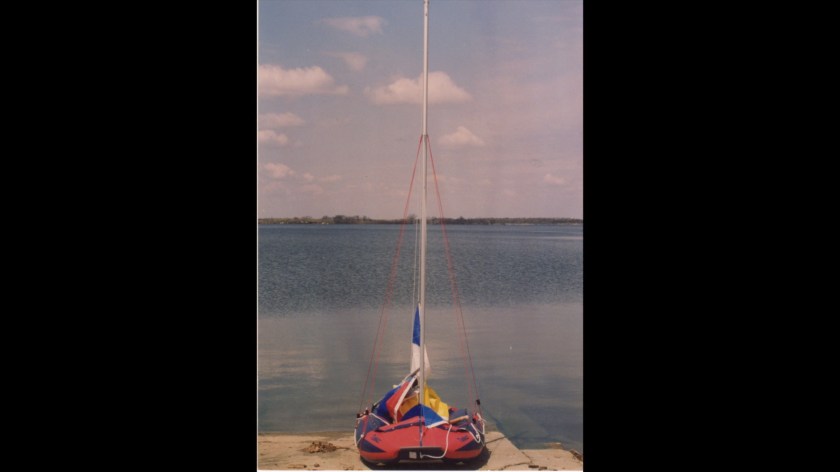
The dinghy with mast in the Caribbean
One of my favorite passages of Pam’s writing is the “The Dinghy Under the Bed.” Unlike her letters which were sometimes hastily written on a rocking boat, this was a polished piece, probably intended for publication. It is now included in Part 2: Between the Boats.
After listing the sailing paraphernalia stored in their South Dakota guest room closet Pam describes the inflatable dinghy that lives under the bed and is their most important purchase next to the “mother ship.”
My startled guests tell me it looks like the pale, flabby remains of some unidentifiable monster.
Although many readers feel that Pam reluctantly went along with Kent’s dream of returning to a life at sea, this passage expresses her longing, too. She was writing on a cold rainy day in October, not so different from early March, when winter seems to drag on forever, and we long to cast off on a new adventure as spring approaches.
After the mother ship herself, the dinghy, a lovely new roll-up, is our largest purchase and represents much more than a dollar value. Our future home, a 31-foot steel sloop pulled ignominiously out of the water in Duluth, Minnesota, is wrapped now in her winter cover. It would be a long seven-hour drive through uncertain midwestern weather to assure ourselves that our dream has some substance. But the dinghy is here, living quietly like a friendly, elderly dog beneath the bed. I sometimes think I can hear it sigh a little wistfully, just as I do, for the time we’ll both be at sea.
* * *
It’s a long and frustrating process to move from a landlocked South Dakota job and home to the sea. It’s also a lonely process, for none of our friends share or even understand our dream. But the dinghy, peacefully resting beneath the bed, silently encourages us to keep dreaming.
Keep on dreaming, Dear Readers, and Happy Spring!

The dinghy afloat on the Rio Grande

